
Your Baby's First Diaper Rash: What Every New Parent Should Know
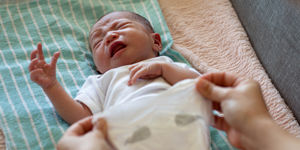
You open your baby's diaper and there it is: an angry-looking patch of red skin that definitely wasn't there before.
Your baby's first diaper rash can be a little alarming, particularly when you're still getting into the swing of everything that comes with caring for a newborn. But diaper rash is extremely common in babies and, in most cases, can be managed at home with some simple changes to your diaper routine.
So, those questions you have: what causes diaper rash? What should you do when you first spot it? And how can you help protect your baby's delicate skin from the next one?
The reassuring news is that, in most cases, a blocked nose isn't anything to worry about and can often be managed at home with a few simple steps.
Here's what new parents need to know.
What is diaper rash?
Diaper rash, sometimes called diaper dermatitis, is irritation of the skin underneath your baby's diaper.
It can appear as red or sore-looking skin around your baby's bottom, genitals and thighs. Depending on your baby's skin tone, the colour and appearance of a rash can vary.
The diaper area unfortunately creates easy conditions for irritation: warmth and moisture, frequent contact with urine and poop, and the potential for a diaper to rub against delicate skin.
It's also a very common part of babyhood. Canadian Paediatric Society guidance explains that diaper rash can often develop when wet or soiled diapers remain against the skin, particularly in babies with sensitive skin.

What causes diaper rash?
For starters, there's not always one obvious cause.
Often, diaper rash develops simply because your baby's skin has been exposed to moisture, urine or poop. Even the most diligent and efficient diaper-changing parent is likely to encounter it at some point.
Some common triggers include:
- Wet or dirty diapers: Prolonged contact with urine and poop can irritate your baby's skin.
- Friction: Snug-fitting diapers or clothing can rub against already-sensitive skin.
- Diarrhea or more frequent poops: More frequent contact with stool can increase the chance of irritation.
- Changes in diet: The Canadian Paediatric Society lists eating new foods as one potential cause of diaper rash.
- Sensitive skin: Some babies are simply more susceptible to irritation than others.
- Yeast infections: Candida, a type of yeast naturally found in the body, can overgrow and cause a different type of diaper rash.
Here's the important part: diaper rash doesn't mean you've done anything wrong. It's a common skin problem and can happen even when you're changing your baby's diaper regularly.
What should I do when I first notice diaper rash?
For mild irritation, the aim is fairly simple: keep your baby's bottom clean and dry, minimize further irritation and protect the skin while it has a chance to recover.
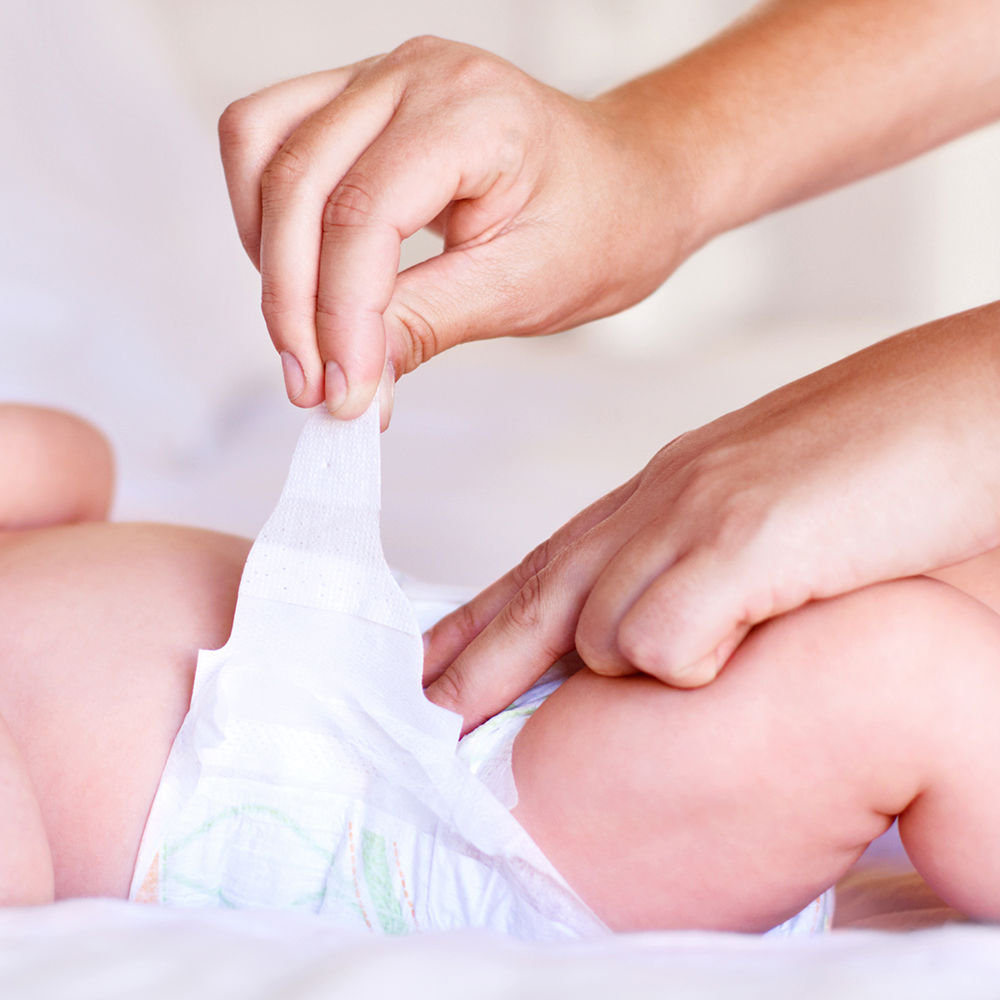
Change diapers regularly
Change those wet and dirty diapers promptly rather than waiting for the diaper to become full.
Both the Canadian Paediatric Society and Government of Canada recommend frequent diaper changes to help prevent diaper rash. Poop in particular can irritate your baby's skin, so dirty diapers should be changed as soon as you can.
A reminder that this is especially important if your baby has diarrhea or is pooping more frequently than usual.
Clean gently
When skin is already irritated, lots of wiping and rubbing can make it even more uncomfortable.
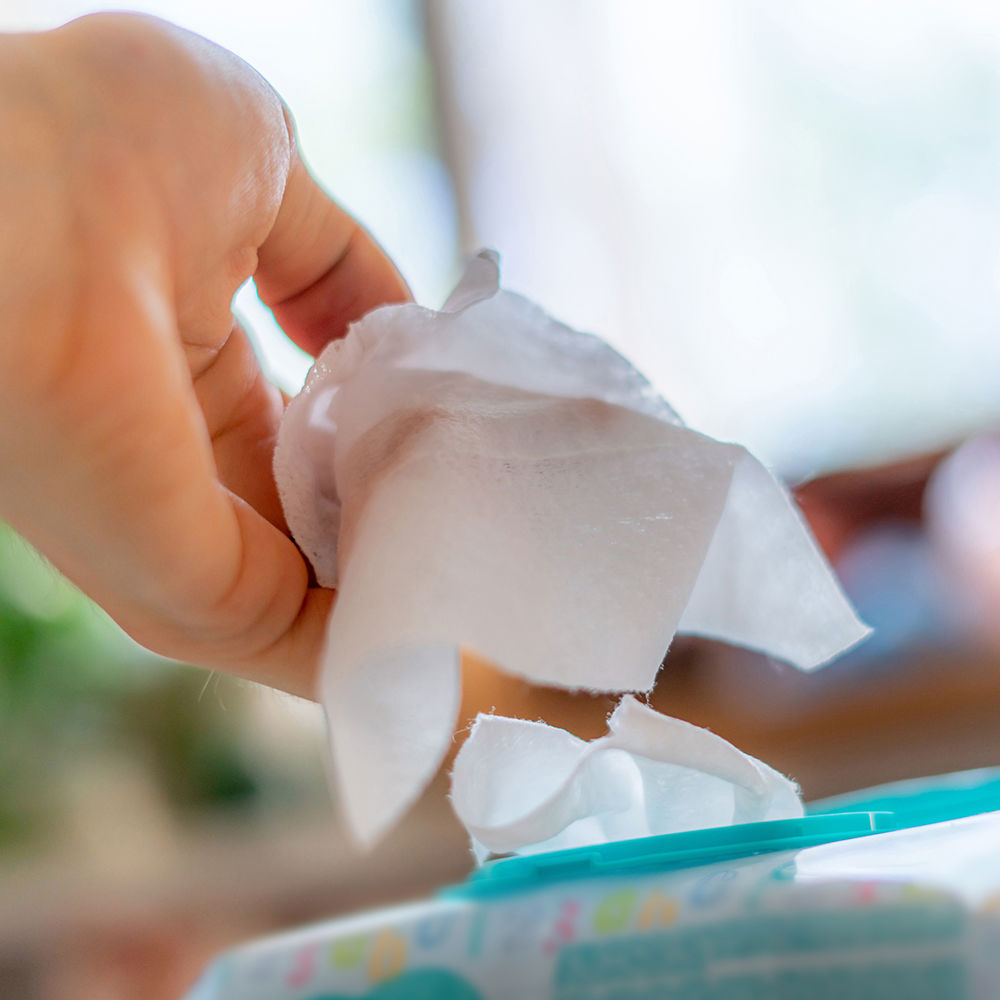
Best guidance recommends using lukewarm water with mild soap when needed, or unscented baby wipes, before rinsing and gently patting the skin dry.
You can also use unscented wipes or a cloth with water for routine diaper changes.
Above all, be gentle and make sure your baby's skin is dry before putting on a clean diaper.
Give their bottom some diaper-free time
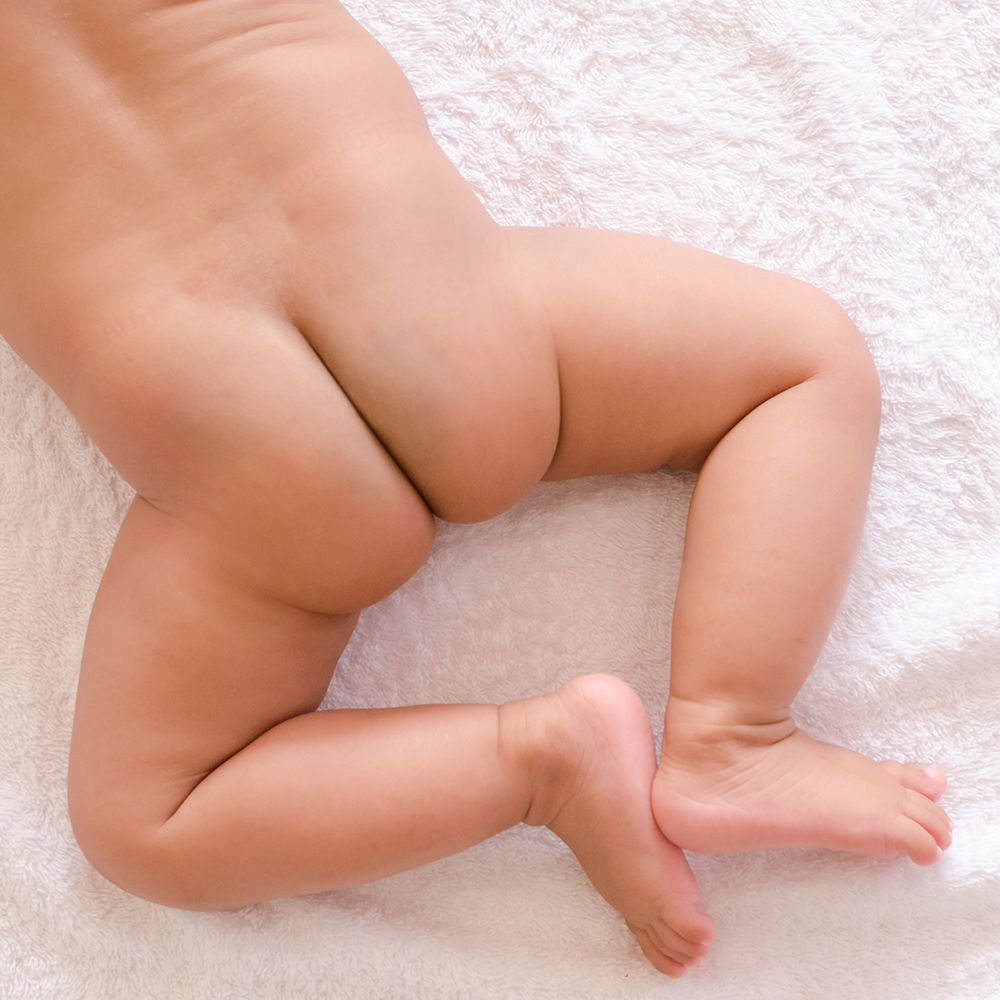
This may be slightly risky for your carpet, but giving your baby's bottom some fresh air can help.
Both the Canadian Paediatric Society and Government of Canada guidance recommend leaving the diaper off for short periods when dealing with diaper rash. It helps keep the area dry and gives irritated skin a break from the environment inside a diaper.
Try laying your baby on an absorbent towel for a little diaper-free play or tummy time.
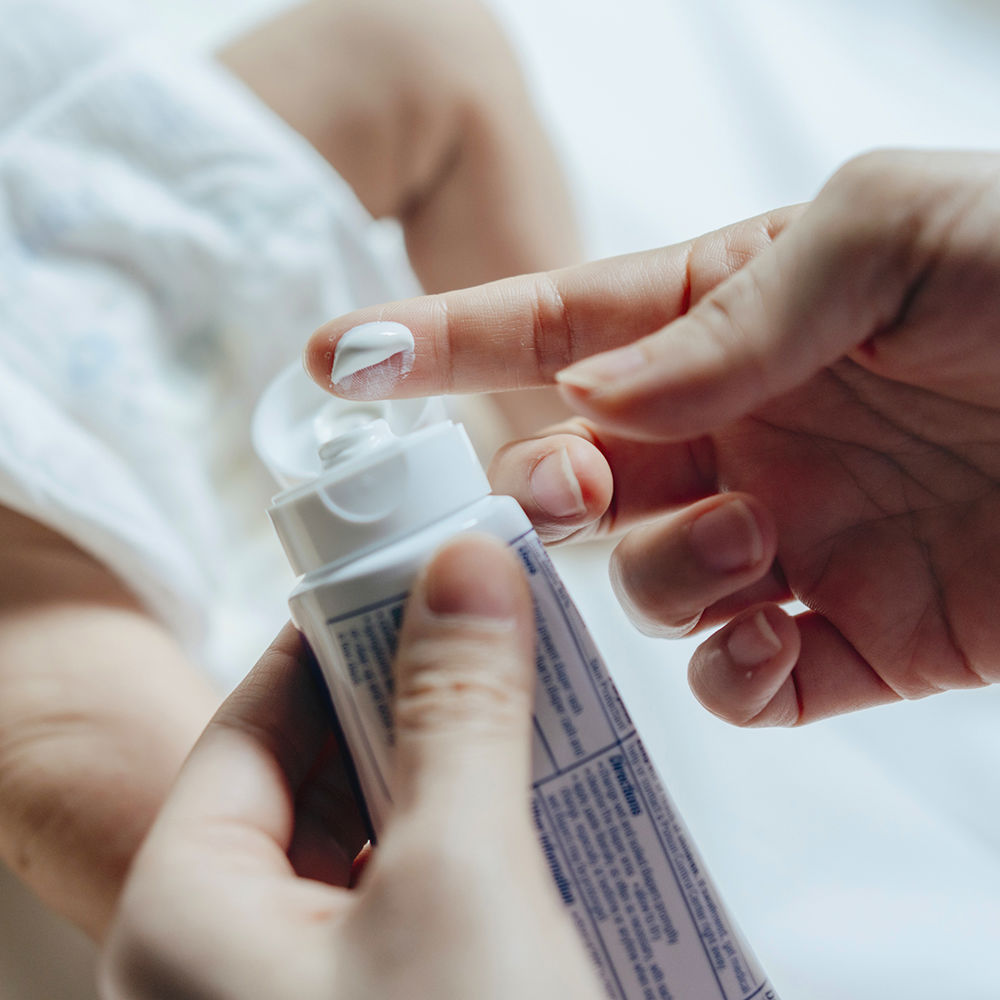
Use a diaper cream
A barrier cream or ointment can help protect your little one’s irritated skin from moisture and further contact with urine and poop.
Canadian health guidance recommends barrier products when skin is irritated, with the Canadian Paediatric Society specifically recommending unscented barrier ointments.
Apply your chosen product according to its directions on clean, dry skin.
Try to avoid excessive rubbing when cleaning cream away at the next change, particularly when your baby's skin is already sore.
Should you use diaper cream at every change?
Not necessarily every change.
Again, best guidance says that you don't need to use creams or powders routinely unless your baby's skin is red or irritated, while a barrier cream or paste can be particularly helpful if your baby has diarrhea.
Ultimately, your baby's needs may vary. Some parents may use a suitable protective product more regularly when their baby's skin is particularly prone to irritation, while others reach for it when redness first appears.
Whatever you choose, make sure the product is suitable for your baby's age and follow its directions for use.
What should you look for in a diaper cream?
Standing in the baby aisle looking at a wall of diaper creams can be surprisingly confusing, especially when you chuck in the other 100 baby products you only found out existed last week.
There isn't one perfect product for every baby, but there are a few practical things you can consider:
- Is it specifically formulated for babies?
- Is it suitable for your baby's age?
- Is it designed to create a protective or moisturizing barrier?
- Does it contain ingredients your baby's skin may be sensitive to?
- Is it compatible with the type of diapers you use?
- Are the instructions clear about how and when it should be applied?
If your baby has particularly sensitive skin, keeping their skincare routine relatively simple can also make it easier to identify anything that appears to be causing irritation.
A closer look at Aleva Naturals Soothing Diaper Cream
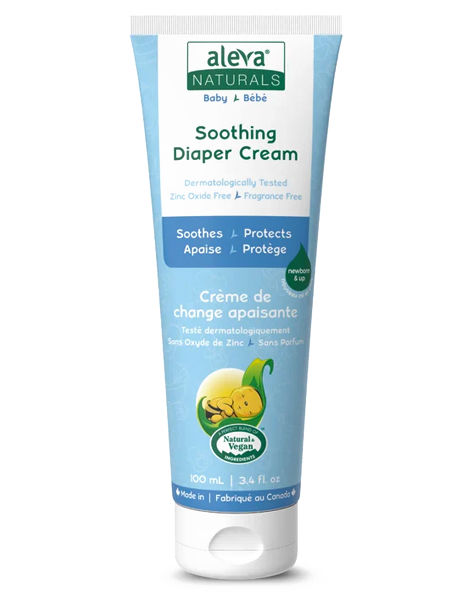
If you're looking for a diaper cream to add to your changing station, Aleva Naturals Soothing Diaper Cream is a gentle, plant-based place to start. Proudly made in Canada, this natural, vegan and fragrance free formula combines Shea Butter, Calendula and Aloe Vera to moisturize your baby's delicate skin and help create a protective moisture barrier.
Dermatologically tested and suitable from birth, its lightweight, non-greasy formula is designed with delicate newborn skin in mind. Apply an even layer to clean, dry skin at each diaper change to help maintain that protective barrier and keep your baby's bottom soft and comfortable. If the area is already feeling irritated, the formula also helps moisturize and soothe delicate skin, making diaper care easier for you and your baby.
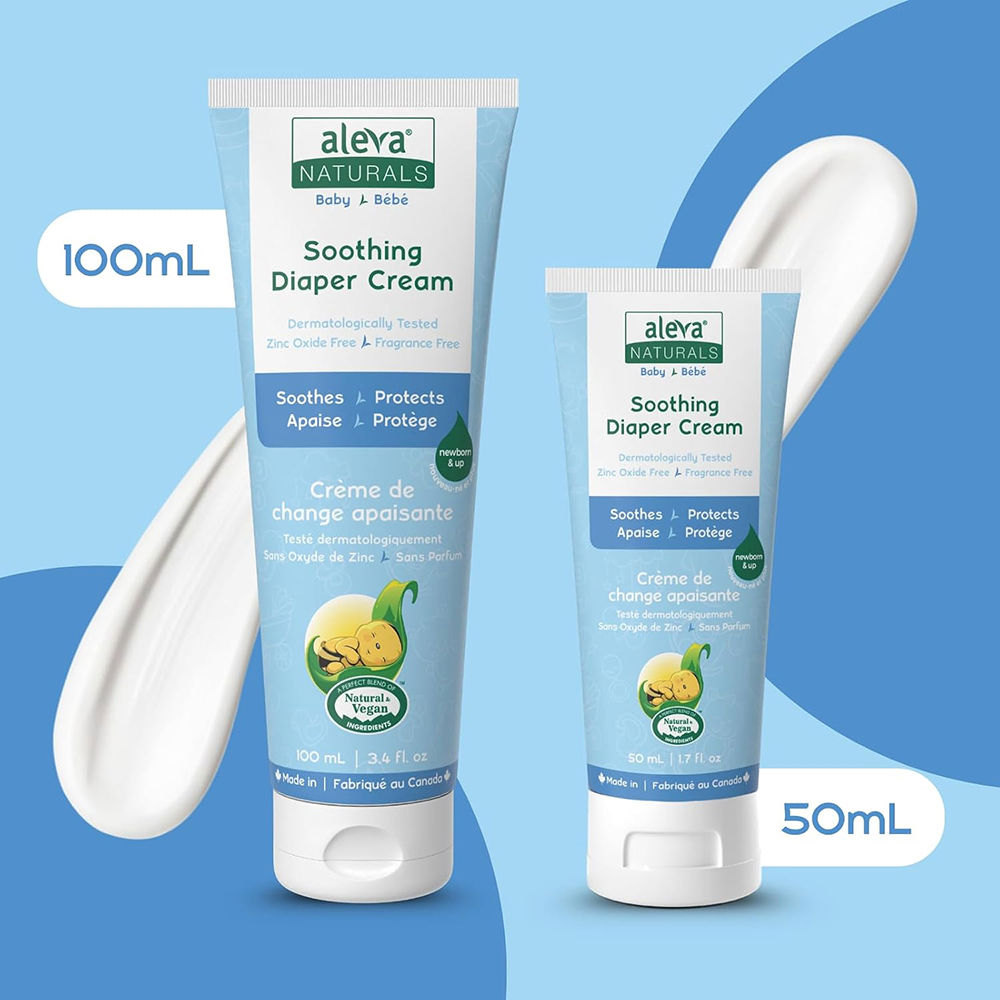
The difference you'll notice at change time? No thick white residue. Its zinc oxide-free formula spreads smoothly and absorbs like a lotion, making it easy to apply without leaving a stubborn white layer to clean away at the next change. When your baby's bottom is already sensitive, less cleanup means less unnecessary rubbing.
Suitable for both cloth and disposable diapers, and free of beeswax, lanolin, and parabens, it's a thoughtful addition to your changing station from your baby's very first diaper.
As with any new skincare product, always follow the directions on the packaging and stop using it if you notice irritation or a reaction. If your baby's skin is particularly sensitive or you're dealing with a persistent or severe diaper rash, speak to your healthcare provider rather than relying on skincare products alone.

What about cloth diapers?
If you're using reusable diapers, it's definitely worth checking whether the diaper cream you've chosen is suitable for them.
Some products may not be recommended for particular reusable diaper fabrics, so check the instructions from both your diaper manufacturer and the cream you're using.
It's also worth paying attention to how your baby's skin responds to their diaper routine. If irritation keeps returning, your healthcare provider can help you investigate the underlying causes.
When could diaper rash be something more?
Most mild diaper rashes can be cared for at home, but not every rash underneath a diaper is simple irritation.
For example, Candida (yeast) diaper rash can look very red and commonly affects deeper skin folds such as the groin. According to the Canadian Paediatric Society, it can also have raised red spots and clearly defined edges.
A healthcare provider may need to diagnose the cause and recommend the appropriate treatment.
Speak to your healthcare provider if:
- The rash is severe.
- It's getting worse despite caring for it at home.
- You notice blisters or boils, pus or discharge.
- Your baby has a fever alongside the rash.
- You're concerned about the appearance of the rash or your baby's overall health.
If you're not sure what you're looking at, don't feel you have to diagnose it yourself. That's exactly what your healthcare provider is there for.
Can you prevent diaper rash?
You probably won't prevent every diaper rash - and that's okay.
But Canadian health guidance recommends a few simple habits that can help reduce irritation:
- Change wet and dirty diapers regularly.
- Change poopy diapers as soon as possible.
- Clean your baby's skin gently.
- Pat the skin dry rather than rubbing.
- Make sure the area is dry before putting on a clean diaper.
- Give irritated skin some diaper-free time.
- Consider an appropriate barrier cream when the skin is irritated, particularly during bouts of diarrhea.
As you get to know your baby's skin and you spend more time together, you'll also start recognizing what's normal for them and what tends to trigger irritation.
When you're a new parent, it's surprisingly easy to interpret every rash, cry or unsettled night as something you should have prevented.
Diaper rash is different. It's a common part of babyhood and can happen even when you're doing everything you can to keep your baby's skin clean, dry and comfortable.
The best response is usually the simplest: change diapers regularly, keep the area clean and dry, be gentle with irritated skin and protect it from further moisture while it recovers.
And if the rash isn't improving, looks unusual or you're simply worried about it, speak to your healthcare provider. You don't have to work out what type of rash it is on your own.
PSA: Your baby's first diaper rash isn't a parenting fail
Diaper rash is different. It's a common part of babyhood and can happen even when you're doing everything you can to keep your baby's skin clean, dry and comfortable.
The best response is usually the simplest: change diapers regularly, keep the area clean and dry, be gentle with irritated skin and protect it from further moisture while it recovers.
And if the rash isn't improving, looks unusual or you're simply worried about it, speak to your healthcare provider. You don't have to work out what type of rash it is on your own.
The information on the Your Baby Club website is intended for general informational purposes only and should not be used as a substitute for professional medical advice, diagnosis or treatment. Always discuss any health concerns with a qualified healthcare provider and carefully read the information provided with any medications, products or supplements before using them.