
The Ultimate Guide to Choosing the Right Baby Lotion
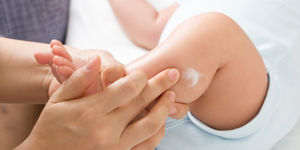
Does your baby's skin sometimes feel dry, rough or flaky?
Don't panic - you're absolutely not the only parent out there wondering whether baby lotion should be part of their little one's daily routine. A baby's skin can be delicate and often react to changes in temperature, bath time, dry indoor air and new products.
To make things easier, we've put together a practical guide to baby lotion. From knowing when your baby might need a moisturizer to understanding which ingredients and features to look for, here’s everything you need to know.
Does my baby need lotion?
Many babies naturally have drier, more sensitive skin as soon as they're born. You might especially notice dry flaky patches appearing during colder Canadian winters, when indoor heating is running or after bath time.
Your baby will benefit from lotion if their skin:
- Feels dry, rough or tight
- Looks flaky in certain areas
- Becomes dry after bathing
- Gets red and irritated quickly
- Needs extra moisture during colder weather
- Feels less soft than usual
Mild peeling is common during a newborn's first few weeks and usually improves naturally.
However, if your baby's skin also feels dry, rough, or uncomfortable, a gentle lotion formulated for newborns can help provide additional moisture when used as directed.
If the dryness is severe, persistent, or accompanied by redness, cracking, or discomfort, speak with your baby's healthcare provider.
Why choose a lotion made for babies?
It can be tempting to use whatever moisturizer you already have at home, but adult skincare products aren't always the best choice for delicate baby skin.
Baby lotions are specifically created with younger, more sensitive skin in mind, formulated to keep their skin barrier nourished and healthy. They're often lighter to apply than creams or ointments and are designed to spread easily across the face and body. While we can use gentle baby products on ourselves, sensitive little babies should not be exposed to our adult skincare products.
A suitable baby lotion can help to:
- Replace moisture after bathing
- Soften dry or rough-feeling skin
- Support your baby's skin barrier
- Make baby massage feel smoother
- Keep skin feeling comfortable during dry and cold weather
Moisturizers work by creating a layer on the skin that helps reduce water loss. Applying one after bathing can be particularly useful for babies with dry skin.

What should I be looking for in a baby lotion?
The number of baby products lining store shelves can feel overwhelming. Luckily, you don't need to become a skincare expert overnight to make a sensible choice.
Here are some of the main things to consider:
A formula made for sensitive skin
Look for a lotion clearly labelled for babies, newborns or sensitive skin. These formulas are created for delicate skin and are a good starting point to narrow down your options.
However, 'gentle' doesn't guarantee that every product will suit every baby. Skin can respond differently to individual ingredients, which is why introducing any new lotion gradually is a good idea so you can monitor any effects.
Moisturizing ingredients
Baby lotions may contain ingredients such as shea butter, oat-derived ingredients and plant-based emollients. These are generally included to help condition the skin and leave it feeling soft and smooth.
A simple, clear ingredient list
When it comes to baby skincare, less is more. Start with choosing ingredients that you can understand.
Choose a formula that suits your baby's needs and check the full ingredient list, particularly if your baby has previously reacted to skincare products or has a known allergy.
Clear age guidance
Always check the packaging (and then double-check) to confirm that the lotion is suitable for your baby's age.
Some products are intended for newborns and older babies, while others may only be recommended from a particular age.
Convenient packaging
This may seem like a small detail, until you're trying to moisturize a wriggling baby after bath time.
Look for packaging that makes it easy to dispense the right amount while keeping the remaining product clean and contained. Practical, travel-friendly packaging can make everyday applications quicker and less messy, both at home and on the go.
When should I apply baby lotion?
One of the best times to apply baby lotion is shortly after a bath.
Once bath time is over, gently pat your baby dry rather than rubbing their skin with a towel. Apply the lotion while their skin is still slightly damp to help lock in moisture.
You can also use baby lotion:
- When getting your baby dressed in the morning
- As part of a calming bedtime routine
- During a gentle baby massage
- After washing dry areas
- Whenever their skin feels like it needs extra moisture
There isn't one perfect routine for every family. Some babies may need lotion more regularly, while others may only need it occasionally during colder or drier weather.

How do I apply baby lotion safely?
Before applying a new lotion all over your baby's body, test a small amount on one area of skin.
Keep an eye out for redness, swelling, irritation or discomfort. If your baby's skin reacts, stop using the product and wash the area gently.
When you're ready to apply the lotion:
- Thoroughly wash and dry your hands
- Dispense a small amount into your palm
- Rub your hands together to warm the lotion
- Massage it gently into your baby's skin
- Avoid the eyes, mouth and any broken skin
- Allow it to absorb before dressing your baby
You don't need to use a large amount. Starting with a little and adding more when needed can help prevent the skin from feeling overly greasy.
Choose a baby lotion that fits your routine
The right baby lotion will depend on how and when you plan to use it.
"My baby only gets dry skin occasionally": A lightweight lotion can be useful for applying to small areas whenever dryness appears. You may not need to use it every day.
"My baby's skin feels dry after every bath": Keep a bottle near your changing area and apply it after bath for hydrated supple skin.
"I want one product for the face and body": Look for a lotion specifically labelled as suitable for both areas, and always avoid applying it close to the eyes or mouth.
"My baby has very dry or eczema-prone skin": A lotion may not always provide enough moisture. Thicker creams and ointments generally contain less water and can create a stronger protective layer. There are many natural healing alternatives in the market for your baby. Speak with a healthcare professional about which option is appropriate for your little one. (aboutkidshealth.ca)
A closer look at Aleva Naturals Sensitive Baby Lotion
Aleva Naturals Baby Lotion Face + Body Moisturizer is a lightweight, non-greasy moisturizer formulated for newborns and babies. Made with plant-based natural ingredients, it is enriched with Shea Butter, Oat, Bisabolol, Jojoba Oil, and Vitamin E to help lock in moisture and leave delicate skin feeling soft and smooth.
A little goes a long way with this lotion, with one bottle lasting your baby around 2-3 months. Its lightweight lotion format makes it easy to spread across the whole face & body, while the powerful herbal ingredients work to soothe and protect irritated, dry and flaky skin. Made in Canada and trusted by families for over 17 years, Aleva Naturals focuses on creating high quality affordable baby care products that parents can reach for every single day.
As with any new skincare product, be sure to read the complete ingredient list and test a small amount before applying it more widely.

Can I use baby lotion for massage?
Baby lotion can easily turn an everyday moisturizing routine into a lovely bonding moment.
Warm a small amount between your palms before gently massaging your baby’s arms, legs, hands and feet. Use slow movements and light pressure, taking your cues from your baby.
Choose a time when they're calm, and comfortable. Using a specific bedtime moisturizer like Aleva Naturals Sleep Easy Face + Body Lotion can be especially helpful to calm your baby before sleeping. If they become restless or upset, simply stop and try again another day.
Avoid massaging skin that looks swollen, broken, inflamed or painful.
When should I speak to a healthcare provider?
Every baby experiences the occasional dry patch, but some skin changes need professional attention.
Contact your baby's healthcare provider if your little one's skin:
- Becomes very red or inflamed
- Cracks, bleeds or oozes
- Develops blisters or open sores
- Appears infected
- Causes significant itching or discomfort
- Continues to worsen despite gentle moisturizing
- Develops a widespread or unusual rash
Seek urgent medical help if a skin reaction is accompanied by symptoms like facial swelling, breathing difficulties or sudden widespread hives.
Keep your baby's skincare routine simple
Your baby doesn’t need a complicated shelf full of skincare products.
A gentle routine can be as straightforward as using a sensitive based wash with lukewarm water, keeping baths relatively short, patting the skin dry and applying a suitable baby lotion when moisture is needed.
Every baby's skin is different, so it may take a little trial and error to find the routine that works best for your new family. Once you do, moisturizing can become a quick, comforting part of your day together.
This article was created in partnership with Aleva Naturals and is intended for general educational purposes. It is not a substitute for medical advice. Speak with your baby's healthcare provider immediately if you’re concerned about ongoing dryness, irritation or a skin condition.