
Does Your Baby Need Vitamin D or Iron? What Canadian Parents Should Know

Between feeding schedules, sleep routines and figuring out which baby products you actually need, there's already a lot to think about when you're a new parent.
Then come the questions about vitamins and supplements. Does your baby need extra vitamin D? Are they getting enough iron? And how do their nutritional needs change as they grow?
The good news is that keeping on top of your baby's nutritional needs doesn't have to be overly complicated. Vitamin D and iron play different roles in your child's development, and knowing when supplements might be needed can help you make informed decisions.
Here's what Canadian parents need to know.
Why are vitamin D and iron important for babies?
Babies grow at an incredible rate during their first year, and good nutrition plays a big part in supporting that development.
Two nutrients worth understanding are vitamin D and iron.
Vitamin D helps your baby's body absorb calcium and phosphorus, supporting the development of healthy bones and teeth. It also contributes to normal immune function.
Iron is essential for making hemoglobin, which helps red blood cells carry oxygen around the body. It's also important for healthy brain development and growth.
Both nutrients matter, but that doesn't mean every baby needs supplements for both.
Does my baby need vitamin D?

Health Canada recommends that babies who are fully or partially breastfed receive 400 IU (10 micrograms) of vitamin D every day, starting from birth.
That's because breast milk naturally contains relatively little vitamin D, even when mom is eating a balanced diet.
Babies who are exclusively formula-fed generally don't need an additional vitamin D supplement because commercial infant formula contains vitamin D. However, some babies may have additional risk factors for vitamin D deficiency, so your healthcare provider can carefully advise whether supplementation is needed.
The Canadian Paediatric Society also identifies certain babies as being at higher risk of vitamin D deficiency, including those living in northern communities. Some may require a different supplement dose, so it's worth discussing your baby's individual needs with your healthcare provider.
Canadian guidance also recommends continuing 400 IU daily for breastfed children between 12 and 24 months, although individual dietary intake can help inform decisions about supplementation beyond the first birthday.
What about during Canadian winters?
When temperatures drop and daylight hours shorten, vitamin D becomes a particularly relevant topic for Canadian families.
Our bodies can produce vitamin D when skin is exposed to sunlight, but the amount produced varies with the season, latitude and other factors.
However, babies shouldn't rely on sun exposure to meet their vitamin D needs. Health Canada also recommends protecting infants from direct sunlight.
The important thing to remember is that vitamin D recommendations for breastfed babies apply year-round, not just during winter.

What about iron? Does every baby need an iron supplement?
Unlike vitamin D, routine iron supplementation isn't recommended for every healthy, full-term baby in Canada.

Most healthy babies born at full term and at a normal birth weight have iron stores that help to support their needs during their first six months.
Around six months, those stores do begin to run down, which is one reason introducing iron-rich foods becomes particularly important.
Health Canada recommends offering iron-rich foods among your baby's first solid foods, including:
- Iron-fortified infant cereals
- Beef, chicken and other meats
- Fish, prepared safely for your baby's age
- Lentils and beans
- Other suitable iron-rich foods
Babies born prematurely, with low birth weight or with certain health conditions may have different iron requirements.
The Canadian Paediatric Society recommends iron supplementation for some higher-risk infants, particularly certain low-birth-weight babies receiving breast milk. Other infants may receive sufficient iron through an appropriately fortified formula.The appropriate dose and duration should always be determined by your healthcare professional.
How do I know if my baby is getting enough iron?
This is one of those questions that can be very tricky to answer just by looking at your baby.
Iron deficiency can sometimes cause symptoms such as unusual tiredness, paleness or poor appetite, but some children have no obvious symptoms.
That's why it's important not to diagnose iron deficiency based on symptoms alone.
Your healthcare provider will be able to assess your baby's feeding, growth and individual risk factors, and recommend blood tests if necessary.
Don't start giving your baby iron supplements without professional guidance. Too much iron can be harmful, and the amount needed varies considerably depending on age, weight and medical circumstances.

A closer look at PediaVit Vitamin D3
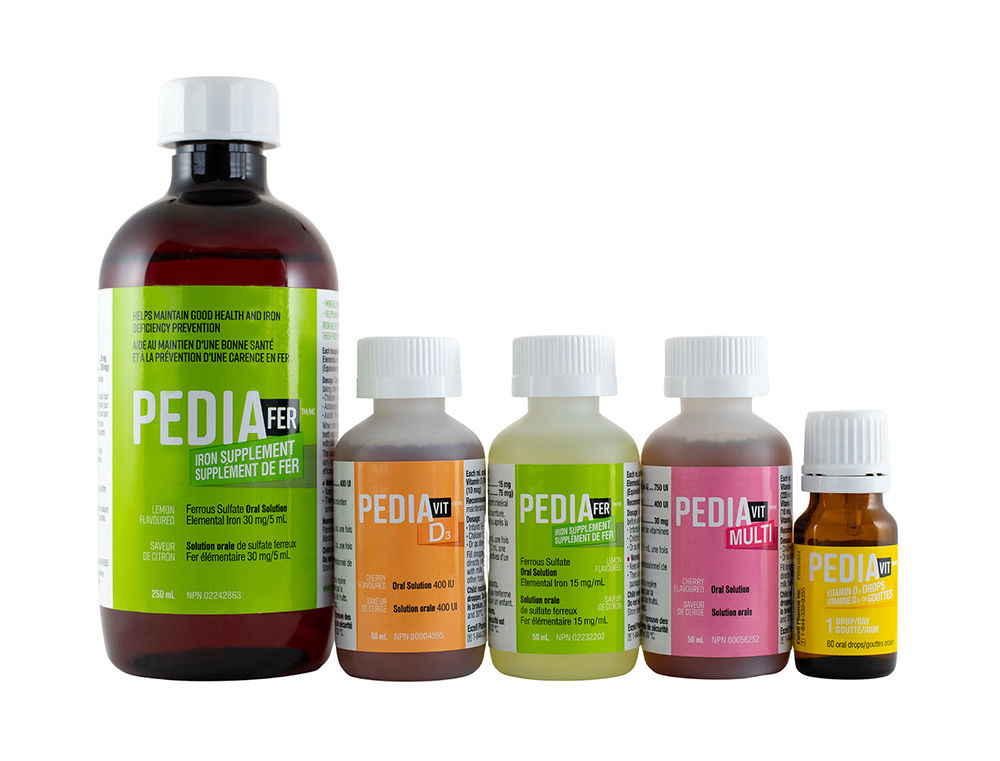
Making vitamin D part of your baby's daily routine can be simple. PediaVit Vitamin D3 offers two convenient formats designed to help parents meet their little one's vitamin D needs when supplementation is recommended.
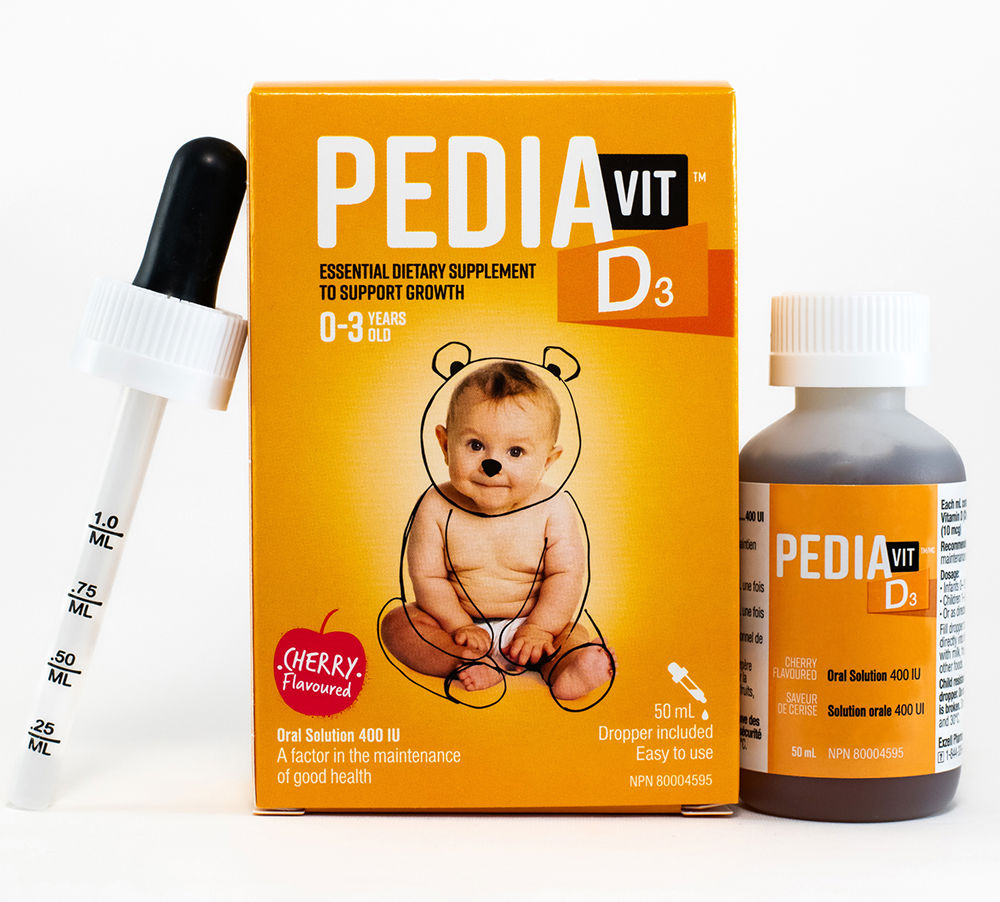
PediaVit Vitamin D3 Drops (2.5 mL) provide 400 IU of vitamin D3 in just one drop per day, offering a simple and convenient option for infants from birth to one year. The one-drop format is particularly convenient for parents managing an already busy feeding routine, especially when you already feel like you don’t have enough hands.
For parents who prefer a liquid format, the cherry-flavoured Vitamin D3 Oral Solution (50 mL) is suitable for children from birth to three years, providing 400 IU of vitamin D3 in a labelled daily serving of 1 mL.
Both offer a convenient way to support your child's vitamin D intake as part of their daily routine. Always follow the product instructions and speak to your healthcare provider if you're unsure in any way about your child's vitamin D requirements.
When Iron Supplements Are Needed: PediaFer Iron
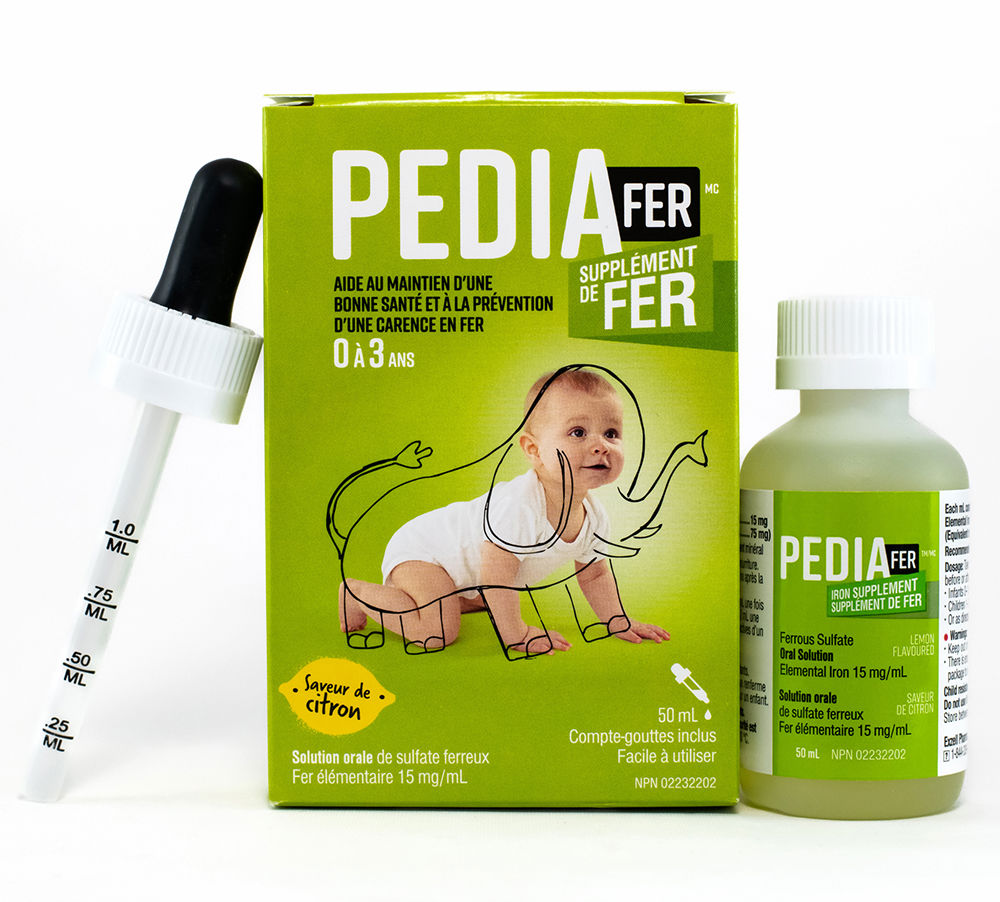
When a healthcare professional recommends iron supplementation, PediaFer Iron offers two liquid formulations designed for different ages and nutritional needs.
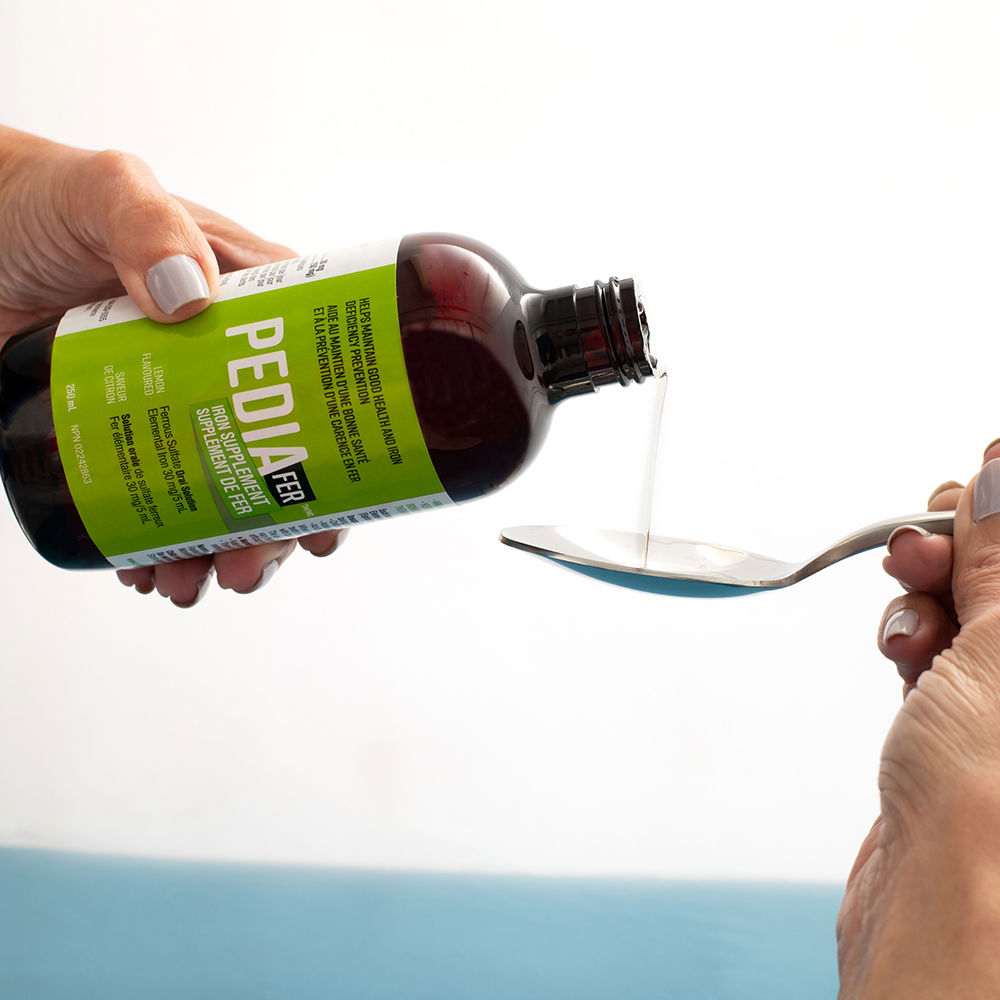
The lemon-flavoured PediaFer Iron (50 mL) is designed for infants and children up to three years old, while PediaFer Iron (250 mL) is suitable for children aged one year and older, teenagers and adults. Both provide iron, an essential nutrient that supports healthy growth, brain development and the production of red blood cells.
Unlike vitamin D, iron supplementation isn't routinely recommended for every baby in Canada. Always speak to your healthcare provider before introducing an iron supplement, as the appropriate dosage depends on your child's age, weight, feeding history and individual requirements.
Always store any iron supplements securely out of children's reach. Accidental iron overdose can be dangerous, particularly for young children. If you suspect a child has swallowed too much iron, contact your local poison centre immediately, even if they seem well.
Can vitamin D and iron really help during cold and flu season?

With Canadian fall and winter bringing shorter days, more time indoors and the usual wave of seasonal illnesses, it's understandable that parents start thinking way more about their family's nutrition.
Vitamin D and iron both contribute to normal immune system function, but there's an important distinction between supporting normal health and preventing illness.
Taking extra vitamin D or iron beyond what's recommended isn't a proven way to prevent your baby from catching colds, flu or other seasonal infections.
Instead, the focus should be on making sure your child receives the nutrients they need for healthy growth and development.
For some babies, that means daily vitamin D supplementation. For others, it may mean paying closer attention to iron-rich foods or following a healthcare provider's advice about potential supplements.
Your baby's nutrition doesn't need to be another worry
The bottom line is there's no shortage of advice out there about what babies should eat, drink or take during their first few years. It can sometimes feel like there's always yet another thing you should be doing.
That said, the fundamentals are reassuringly straightforward.
For breastfed babies, daily vitamin D supplementation is an established part of Canadian infant nutrition guidance. Iron-rich foods become especially important as babies begin eating solids around six months, while iron supplements are generally reserved for children with specific needs or risk factors.
Understanding the difference can help you feel more confident about your baby's nutritional needs, whether you're preparing for your newborn's arrival or navigating their first Canadian winter.
And whenever you're unsure, your healthcare provider or pharmacist can help you work out what's right for your little one.
The information on the Your Baby Club website is intended for general informational purposes only and should not be used as a substitute for professional medical advice, diagnosis or treatment. Always discuss any health concerns with a qualified healthcare provider and carefully read the information provided with any medications, products or supplements before using them.