Baby Milestones
Baby Milestones: The Ultimate Guide
Tips to Encourage Development
- Play Music - Expose your baby to different types of music and rhythms to encourage movement.
- Encourage Grasping - Offer toys that are easy to grasp and hold, aiding the development of fine motor skills and hand-eye coordination.
- Introduce Routine - Establishing a consistent daily routine can provide a sense of security and help your baby adjust to changes more easily.
- Create a Safe Space - Always ensure your baby’s play area is safe for exploration to encourage independence and confidence in their movements.
- Practice Tummy Time - Incorporate tummy time into daily activities to strengthen your little one’s neck and shoulder muscles.
Know what to expect each month.
Tracking your baby's development through key milestones is exciting! Plus, it's a wonderful way to properly recognize their growth and progression. Understanding these milestones can help you support your baby's development and identify any areas where they might need extra help. In this section, we'll break down key milestones by age, offering you insights and advice on what to expect and how to encourage your baby's growth.
But, always remember that each baby is unique, and milestones only provide general guidelines as to what you can expect and when.
Physical Development
- Head Control: Lifts head briefly during tummy time.
- Reflexes: Displays grasping reflex and startle reflex (Moro reflex).
- Movements: Purposeful arm and leg movements, beginning to stretch and kick.
Sensory Development
- Sight: Focuses on objects 20-30 centimetres away, prefers high-contrast patterns.
- Hearing: Recognizes and calms to familiar voices, may startle at loud sounds.
- Touch: Enjoys skin-to-skin contact, and responds to gentle touch.
- Tracking: Signs of following moving objects with eyes, and shows curiosity about surroundings.
Social and Emotional Development
- Bonding: Shows interest in faces, and begins to smile in response to others.
- Comfort: Finds plenty of comfort in being held and rocked.
Tips for Parents
- Engagement: Talk to your baby, maintain eye contact, and smile!
- Environment: Provide a safe and calm environment with minimal loud noises.
- Routine: Try to get your little one into a soothing bedtime routine with gentle rocking and lullabies.
Physical Development
- Rolling Over: Starts rolling from tummy to back and vice versa.
- Hand-Eye Coordination: Reaches for and grasps objects, and brings hands to mouth.
- Sitting: Begins to sit with support, later progresses to sitting without assistance.
Cognitive Development
- Recognition: Recognizes familiar faces and objects, and anticipates events (like feeding time!).
- Exploration: Explores objects with hands and mouth, shakes toys to hear the sound.
- Tracking: More frequent following of moving objects with eyes, and shows curiosity about surroundings.
Social and Emotional Development
- Interaction: Laughs and shows excitement, enjoys playing with parents and loved ones.
- Expression: Expresses a wider range of emotions, and begins to babble and mimic sounds.
- Comfort Objects: May develop an attachment to a favorite toy or blanket.
Tips for Parents
- Play: Encourage tummy time with colorful toys, play peek-a-boo, and sing songs together throughout the day! They might not know the words, but they’ll soon be babbling along if they aren’t already.
- Safety: Ensure a safe play area free from small, choking hazards.
Physical Development
- Mobility: Crawls, pulls up to stand, and begins to cruise along furniture.
- Fine Motor Skills: Picks up small objects using thumb and forefinger (pincer grasp).
- Walking: May take first steps independently, improving balance and coordination.
Cognitive Development
- Problem Solving: Understands object permanence, and looks for hidden objects.
- Language: Begins to understand simple words and commands, and says first words like “mama” or “dada.”
- Imitation: Mimics gestures and sounds, and shows interest in books.
Social and Emotional Development
- Attachment: Shows preference for primary caregivers, and may experience separation anxiety.
- Communication: Uses gestures like waving and pointing, and enjoys interactive games.
- Emotions: Expresses a wider range of emotions, including frustration and joy.
Tips for Parents
- Exploration: Create a safe environment for exploration, use baby gates, and secure furniture.
- Reading: Read to your baby daily to encourage language development.
- Interaction: Engage in interactive play, respond to your baby's attempts at communication, and encourage socialization with other children.
Tips and tricks to support your little one's development.
Promoting your baby's development is a crucial part of parenting, but something parents can get a little hung up on! Providing an environment that stimulates growth in cognitive, motor, and emotional areas is important, but remember that each baby reaches milestones at different times.
This section offers valuable tips and advice on promoting various aspects of your baby's growth, ensuring they have the perfect environment to thrive.
Cognitive development is vital in the first year of your little one’s life. Talking to your baby frequently is a great way to foster early cognitive development. Narrate your daily activities, describe what you’re doing, and respond to any of your baby’s coos and babbles. You might not understand what they’re saying, but this two-way communication helps lay the foundation for language development in future months!
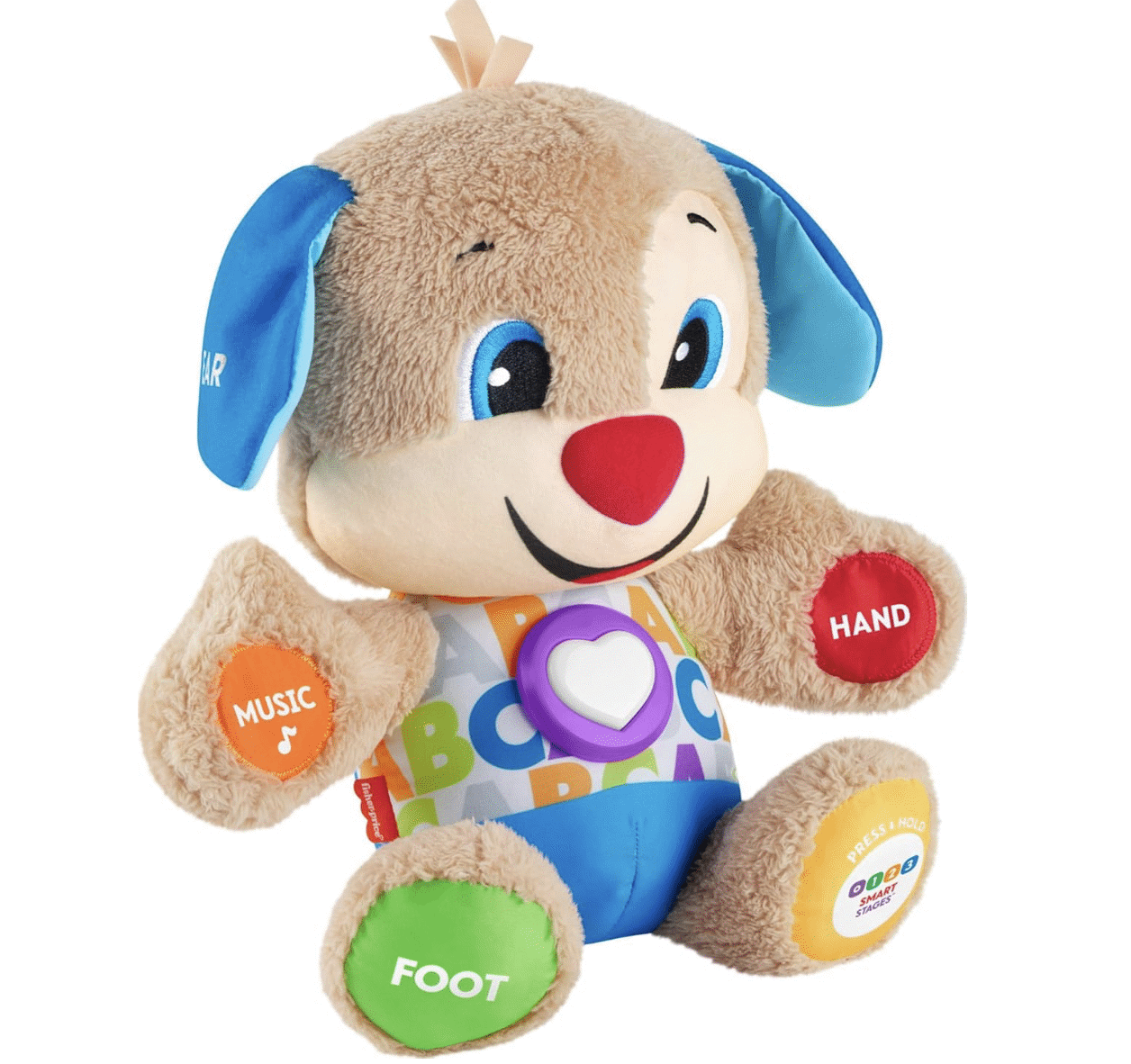
Interactive play is another powerful tool for helping your little one’s cognitive development. Simple games like peek-a-boo can teach babies about object permanence, the understanding that objects continue to exist even when they cannot be seen. Toys that respond to a baby’s actions, such as musical toys that play when pressed, are also great to help them grasp the concept of cause and effect.
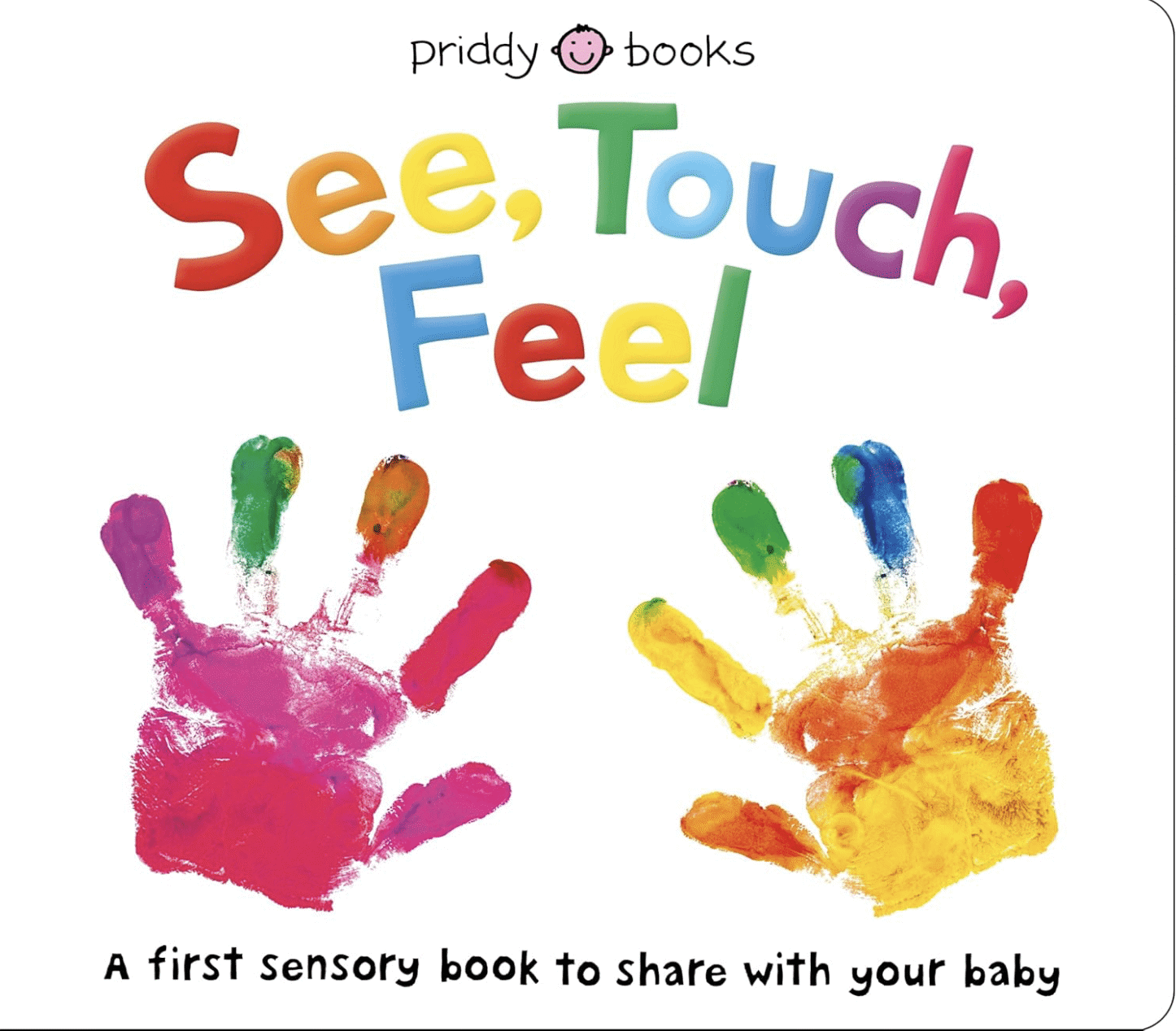
Reading to your baby even from the first few months is amazing for their development. Introduce sturdy, colorful board books with simple images and textures. When reading to them, point to the pictures and name them to help your baby associate words with images. Safe exploration is key; allow your baby to explore different textures and age-appropriate toys that make engaging sounds to stimulate their curiosity and learning.Tummy time is essential for building your baby's upper body strength and preventing flat spots on their head. It also helps in developing their motor skills! Start with short sessions of tummy time, several times a day, gradually increasing the duration as your little one becomes more comfortable. Consistency is key, so make tummy time a regular part of your daily routine, such as after a diaper change or just after a nap.
Create an engaging environment for tummy time by placing colourful toys by them, or a mirror within your baby's reach to encourage lifting their head and reaching out. Lay down in front of your baby and talk or sing to them if it seems like they're struggling to keep engaged. If you don't have a play gym or mat, use a soft blanket to provide a comfortable surface, and for newborns, you can use a rolled-up towel or small pillow under their chest for added support if they seem uncomfortable.
Aim for a total of at least 20-30 minutes of tummy time per day, broken into shorter sessions, to ensure your baby gets enough practice and benefits from the time!Motor development involves the growth of your baby’s physical abilities, including both fine and gross motor skills. Encouraging motor development can be done through lots of different activities and interactions. Try to provide toys that are easy to hold and shake, like rattles, to encourage reaching and grasping.
You can also encourage gross motor skills by placing toys just out of reach and celebrating their efforts to move and reach. If trying to encourage your little one to roll, place their favorite toy or item to the side of them, just in reach for them to roll and grab!
When it comes to sitting up, support your baby in a sitting position with pillows, gradually reducing support as they gain strength and balance. You can also utilize your own body as you help your baby reach motor milestones. Regular tummy time strengthens muscles needed for rolling and crawling, and creating a safe obstacle course with pillows and soft toys to navigate around can motivate crawling when they’re almost there!Promoting your baby’s social and emotional development is key to helping them form relationships, understand emotions, and build confidence. During the first year, simple, responsive interactions play a crucial role in this development. Regularly smiling, making eye contact, and responding to your baby’s cues (like babbling or fussing) help them feel secure and understood. Playing games that involve back-and-forth interaction, such as mimicking sounds or gestures, can also be easy and great ways to strengthen social bonds and teach babies about communication!
As your baby grows, introducing them to social environments—such as small playgroups or family gatherings—gives them the opportunity to observe and interact with others, building essential social skills. It’s also important to acknowledge and validate their emotions by using gentle language to describe feelings. This teaches them how to identify and express their emotions, setting the foundation for emotional intelligence.
Language development begins long before your baby says their first word. From birth, your baby is constantly absorbing the sounds and rhythms of language. To support this, talk to your baby throughout the day, describing your actions, surroundings, or feelings. This constant exposure helps babies recognize patterns in language and builds their vocabulary even before they start speaking.
Reading to your baby is another powerful tool for language development. Even if they don’t understand the words, they enjoy hearing the tone and rhythm of your voice. Choose books with colorful pictures and simple words to capture their attention. Singing songs and nursery rhymes, which often include repetition and rhyme, also aids in language acquisition. As your baby grows, encourage their attempts at communication by responding to babbles and pointing to objects they show interest in, gradually introducing new words.What to look for in toys for your little one.
Choosing the right toys for your baby is key, but it can easily get overwhelming with the range of different toys out there! What types of toys are best? Are wooden baby toys better than plastic? Are musical toys worth it? It’s a lot to consider.
When choosing toys, remember that they’re not just for entertainment; they play a big role in stimulating your baby’s cognitive, motor, and sensory skills. Understanding the different types of toys available and their benefits can help you make informed decisions that support your little one’s growth. This section provides insights into selecting toys that cater to various developmental needs and preferences.
There are various types of baby toys, each serving different developmental purposes. Rattles and teething toys are excellent for sensory stimulation, offering bright colors, different textures, and sounds that engage your baby’s senses. Teething toys also have the obvious added benefit of helping to soothe sore gums during teething.
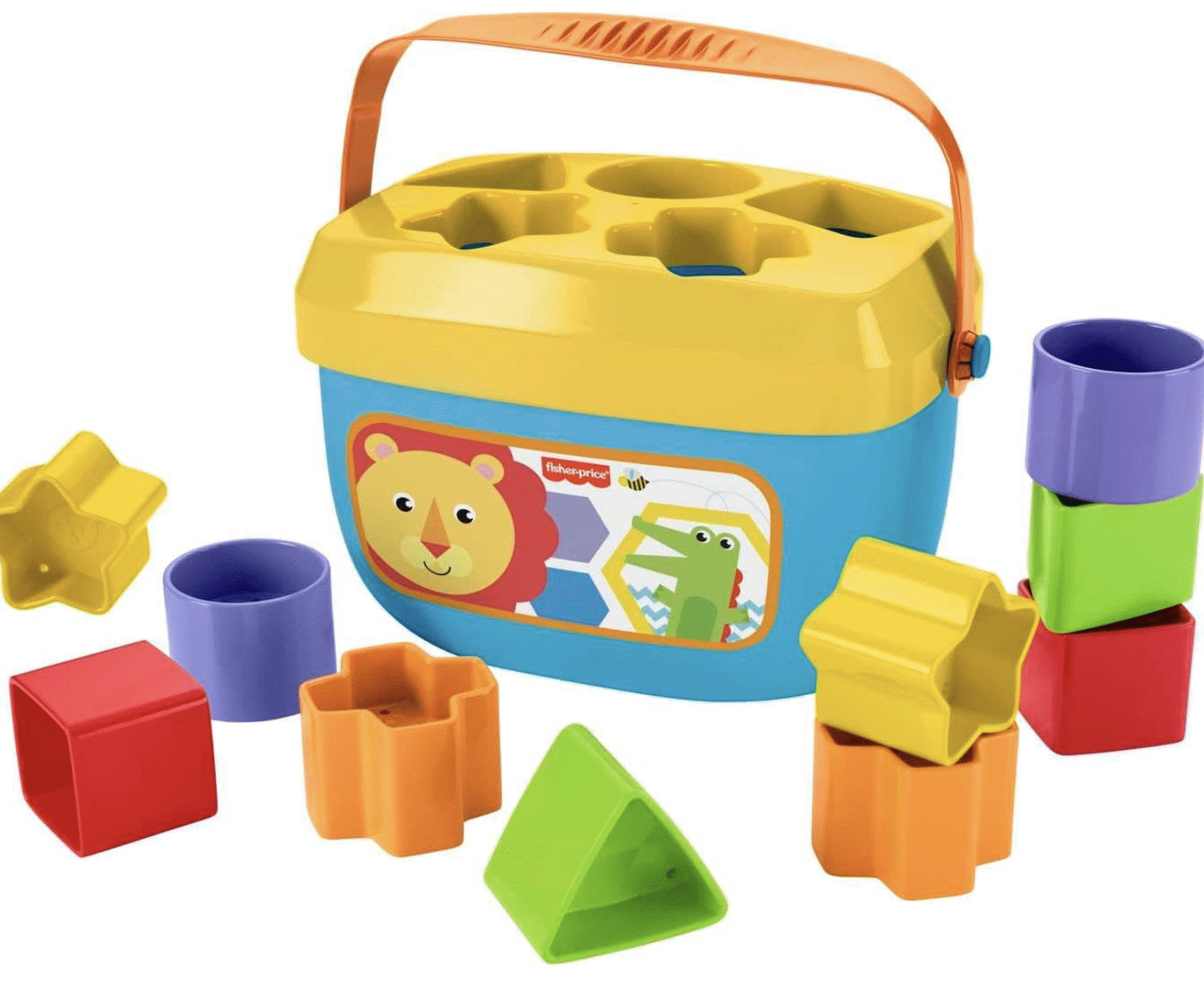
Stacking and sorting toys, such as stacking rings and shape sorters, are a great way to promote fine motor skills and cognitive development by encouraging hand-eye coordination and problem-solving skills.
Activity centers often include mirrors, buttons, and music, providing a range of different stimuli in one place that promotes cognitive and physical development for your little one. They can be a great option to keep your little one occupied for longer periods of time than single toys. Many of these centers encourage reaching, pulling, and pushing, which aides in muscle development.
There are plenty of wooden toys on the market, and they’ve definitely seen a resurgence in recent years. Wooden toys have long been praised for their durability and safety compared to plastic toys. They are sturdy and often last longer, making them a cost-effective choice that can be passed down to younger siblings or future generations.
As well as their sturdiness, wooden toys are typically made from natural materials, making them less likely to contain harmful chemicals that some parents worry can be found in some plastic toys.
Design-wise, wooden toys often have a simple shape and design that encourages imaginative play and creativity. The natural texture of wood provides a different sensory experience compared to plastic. Plus, they are also more environmentally friendly, especially if made from sustainably sourced wood, and biodegradable, unlike plastic. On the other hand, plastic toys are generally less expensive and easier to clean.
While there’s no right or wrong when it comes to choosing the right type of toys for your little one, it’s good to have a mix of toys and textures on offer for them. Just make sure you always opt for age-appropriate toys for your little one’s age.
Sensory-specific toys are any toys designed to stimulate your baby’s senses, including touch, sight, sound, taste, and smell. These toys often feature different textures, colors, and sounds to engage your baby’s senses and encourage sensory development. Popular sensory toys include textured balls, which encourage tactile exploration, and musical instruments, like drums and maracas, that produce sounds when touched or shaken.
Sensory mats with various textures, mirrors, and squeakers provide a multi-sensory experience that enhances cognitive development. Sensory toys help babies learn cause and effect, enhance memory, and develop problem-solving skills. Manipulating these toys improves fine motor skills and hand-eye coordination.
Sensory toys can also provide comfort and help babies regulate their emotions, particularly those with soothing sounds or textures. Don’t be afraid to allow your baby to explore these toys independently to build confidence and curiosity!
When choosing sensory toys, always ensure they are made of safe, non-toxic materials and are age-appropriate. Offer a range of sensory experiences, from soft and squishy to hard and smooth textures, to fully engage your baby’s senses and support their overall development.Not all games need to involve different toys to support development!
Engaging your baby in age-appropriate games is an excellent way to support their development. Each month brings new milestones, and games can help reinforce these skills while providing fun interaction between you and your baby.
0-2 Months: Sensory Games
In the early months, focus on sensory stimulation. Simple games like “face time” involve holding your baby close to your face and making gentle sounds or exaggerated expressions. Babies love to study faces and will start to mimic movements and sounds. You can also use contrast cards to stimulate their vision. Hold black and white or brightly colored images a few centimetres from their face, allowing them to focus on different shapes and patterns, supporting early visual development.
Another great option is tummy time. Lay your baby on their tummy while softly stroking their back or placing a mirror in front of them. This encourages them to lift their head and strengthens their neck and back muscles, a key precursor for motor skills like rolling over.
3-6 Months: Interactive and Grasping Games
As your baby becomes more alert and starts to grasp objects, incorporate games that encourage interaction and coordination. “Reach and Grab” is ideal during this phase. Lay your baby under a play gym or mobile, allowing them to bat at hanging toys. This helps refine their hand-eye coordination and motor skills. Another favorite game during this period is “Shake, Rattle, and Roll”. Using soft rattles or musical toys, shake them near your baby to prompt them to track the sound and reach out to grab the toy.
A popular fun activity is “Peek-a-Boo”, which reinforces object permanence—the understanding that things continue to exist even when they’re not visible. Cover your face with your hands or a cloth, then reveal yourself, making it a playful surprise each time. Babies around this age love the thrill and predictability of this game.
7-12 Months: Movement and Exploration Games
By this age, your baby is likely crawling, pulling up, and even taking early steps. Movement-based games will keep them active and stimulate both gross and fine motor skills. “Crawl Chase” is a simple but effective game where you crawl on the floor with your baby, encouraging them to follow you. You can enhance this game by placing a favorite toy just out of reach, motivating your baby to move toward it.
For fine motor development, “Stacking and Sorting” games are excellent. Provide your baby with soft stacking rings or large blocks to encourage building and knocking down towers, helping refine their coordination and understanding of shapes and sizes. Additionally, “Where’s the Toy?” is a fun hide-and-seek game that introduces early problem-solving. Hide a toy under a blanket and encourage your baby to find it, helping them develop memory and cognitive skills.
12 Months and Beyond: Problem-Solving and Early Imitation Games
As your baby approaches their first birthday, their curiosity and problem-solving skills will flourish. “Copycat Play” becomes a favorite game as they begin to mimic simple tasks you perform. Give them a safe object like a spoon or soft toy and encourage them to “copy” your actions. You can also introduce “Building Blocks” or “Simple Puzzles” to challenge their growing problem-solving abilities.
Engage in active play with “Follow the Leader”, where you walk, dance, or crawl around, and your baby mimics your movements. This game not only promotes movement but also enhances imitation and social interaction.
By tailoring games to your baby's developmental stage, you can make playtime fun while supporting their cognitive, motor, and sensory growth!

Rotating your baby’s toys is a great way to maintain their interest and support ongoing development. Babies can quickly lose interest in toys they see all the time, so introducing a rotation system can keep playtime fresh and stimulating. Every week or two, swap out a selection of toys, keeping only a few available at any one time. This gives your baby the opportunity to explore new skills and engage with toys in different ways. This method also prevents overstimulation and encourages focused play.
By rotating toys, you can ensure that each toy remains exciting and novel, which also helps promote cognitive development. Moreover, this approach allows you to observe which toys resonate most with your baby at different stages of their development, helping you select toys that support their growth in targeted areas such as fine motor skills, sensory exploration, and problem-solving.
Open-ended toys, such as blocks, stacking cups, or simple wooden shapes, are excellent tools for fostering creativity and cognitive development. These types of toys allow babies to use their imagination to create different structures, patterns, or scenes, rather than following rigid instructions. For example, blocks can be used to build towers, but they can also serve as pretend food, cars, or animals depending on your baby’s current interest.
Open-ended toys encourage problem-solving and help babies develop persistence, as they experiment with new ways to use the same toy. This form of unstructured play supports independence and decision-making, as your baby chooses how to play without strict guidelines. Additionally, open-ended toys grow with your baby, adapting to different stages of development, from early grasping and stacking to more complex imaginative scenarios.
By offering a good range of open-ended toys in your little one's collection, you provide a flexible, developmental tool that supports both creative thinking and practical motor skills, making them a valuable addition to any playtime routine.
Essential content for you
Products for you
The information on the Your Baby Club website is not intended to be a substitute for professional medical advice, diagnosis or treatment. Always discuss any health concerns with a qualified healthcare provider and carefully review all guidance that comes with any medications or supplements before taking.